In "Wandering Beyond," Zhuangzi uses two small creatures to teach a profound lesson about contentment.
The legendary Emperor Yao wished to yield the throne to the hermit Xu You, saying: "When the sun and moon have come out, it is still a waste of effort to carry a torch. When the season's rains have fallen, it is still futile to water the fields. If you would come forth and govern, the world would be well ordered."
Xu You replied: "When a wren builds its nest in a vast forest, it uses no more than one branch. When a mole goes to the river to drink, it takes no more than a full belly. What would I want with the world?"
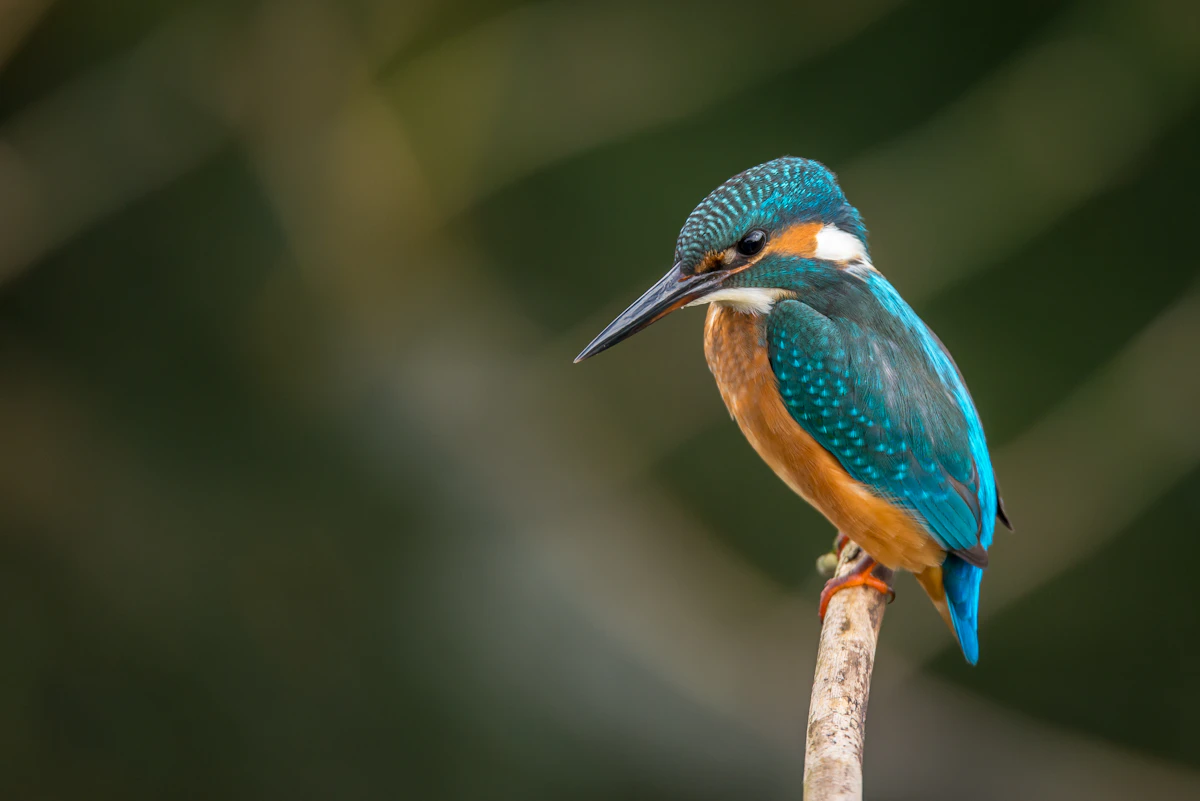

Zhuangzi, through Xu You, reveals a deep insight about "enough": what we truly need is far less than we imagine.
In modern society, we are surrounded by a culture of "more" — more money, a bigger house, a higher title, more things. We are told: once you have these, you will be happy.
But Zhuangzi's story tells the opposite: true wealth is not having more, but needing less.
The wren doesn't need the whole forest — just one branch. The mole doesn't need the whole river — just enough to fill its belly. The excess is not wealth to them; it is a burden.
When you feel anxious or dissatisfied, think of the wren and the mole. Perhaps you already have everything you truly need. Perhaps the key to happiness is not pursuing more, but realizing that you already have enough.
Contentment brings joy — not because of what you gain, but because of what you understand: you are already sufficient.