In the chapter "Autumn Floods," Zhuangzi recorded a famous debate with his friend Huizi.
Zhuangzi and Huizi were walking together on a bridge over the Hao River. Zhuangzi looked at the fish swimming below and said: "See how the fish dart about at their ease. That is what fish enjoy."
Huizi immediately challenged: "You are not a fish — how do you know what fish enjoy?"
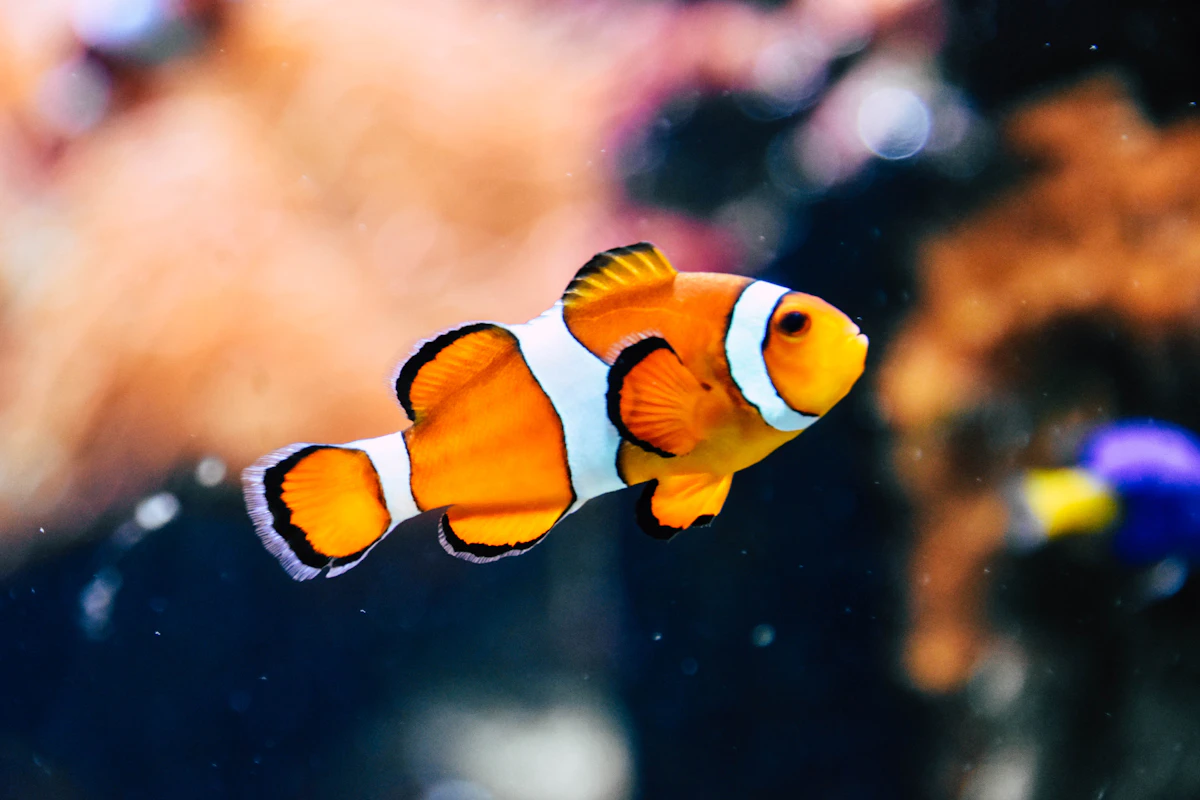

Zhuangzi replied: "You are not me — how do you know I do not know what fish enjoy?"
Huizi said: "I am not you, so I do not know what you know. But you are certainly not a fish, so it is completely certain that you do not know what fish enjoy."
Then Zhuangzi delivered a masterful response: "Let us go back to your original question. You asked me 'how do you know' — which means you already knew that I knew. How did I know? I knew it from here, standing on this bridge, watching the fish."
This debate touches on a profound philosophical question: Can we truly understand the feelings of another being?
Huizi represents logic and rationality — you cannot claim to know something you have not directly experienced. Zhuangzi represents intuition and empathy — through observation, feeling, and intuition, I can understand the joy of another.
In human relationships, we also face this choice. When a friend says "I am sad," do we analyze logically why they are sad, or do we open our hearts to feel their sadness?
Zhuangzi's insight is this: sometimes, understanding does not require reasoning. Stand on the bridge, look quietly, feel with your heart — and you will know.
Empathy is not a logic puzzle. It is a capacity — the ability tolet go of your own position and enter another's world.